AIRCHECK RADIO
The Night Radio Became Real
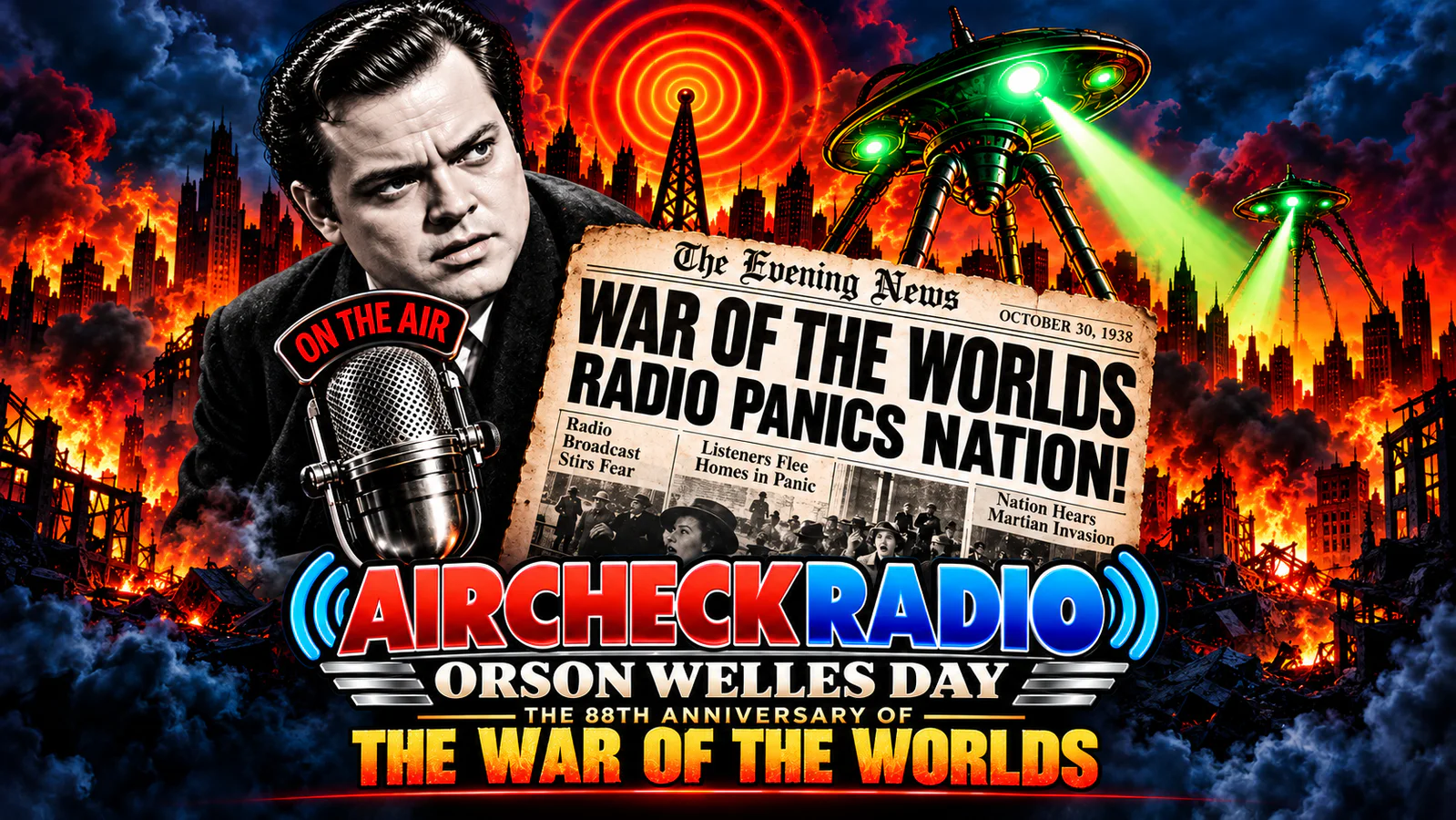
On the evening of October 30, 1938, millions of Americans sat down with a box in the living room and listened to the world. There was no television in most homes, no internet, and no way to check a startling claim against a second source in seconds. Radio was the fastest medium in the country, and it was also the most intimate. A voice came into the kitchen or the farmhouse, and it sounded like someone you knew. It sounded like authority. It sounded like news.
That is the first thing to understand about the night Orson Welles and the Mercury Theatre on the Air presented The War of the Worlds. The broadcast did not hold its audience because listeners in 1938 were foolish. It held them because radio had trained them, night after night, to trust what it said, and because the program borrowed the exact language, rhythm, and manners of the thing people trusted most: the news bulletin.
Radio in 1938 was not background noise. It was the center of the house. Families arranged their evenings around comedians, orchestras, serial dramas, sports, and speeches, often listening together and doing nothing else. Adults followed world events through it, and in a year when Europe seemed to be sliding toward war, those events felt close. The Munich crisis had filled the airwaves only weeks earlier with urgent reports. Listeners had learned, quite reasonably, that when a program broke in with a bulletin, something important was happening.
The Mercury Theatre understood that grammar. After an opening announcement, its War of the Worlds moved into a form that sounded like a dance music program, then broke that program with reports that grew stranger and more urgent. A supposed astronomer reported explosions on Mars. A supposed reporter described a strange object landing in New Jersey. Military voices, officials, and eyewitnesses followed, each in the clipped, confident style of live reporting. The drama was not in a narrator telling you that something was happening. It was in people who sounded as if they were standing where it was happening.
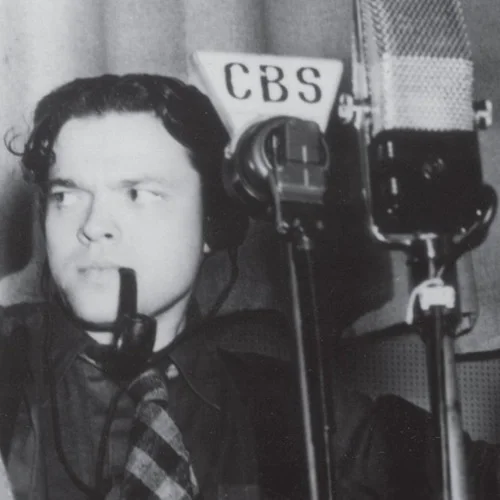
That distinction explains how a listener could be fooled without being careless. Many people did not hear the beginning. In 1938, you did not pause a program or rewind to the start. You turned a dial. You came in late from another station, from dinner, or from putting a child to bed. If you arrived after the opening explanation, you met the broadcast in its most convincing stretch, a stretch designed to sound like ordinary radio doing an extraordinary job. A listener who tuned in at that point heard no stage directions and no cue that said, this is fiction. He heard a reporter. She heard a bulletin. They heard panic described by people who sounded panicked themselves.
Other details helped the illusion take hold. The places named were real, Grovers Mill and Princeton among them, and the institutions were familiar kinds, observatories, military commands, and government offices. The language was the language of science and war reporting, words that already carried fear in 1938. The program also moved fast, with reports piling on reports and little time to ask whether a Martian machine could really be crossing a field in New Jersey. Speed is a powerful tool for belief. It leaves no room for doubt to catch up.
None of this means that the whole country ran into the streets, and that correction matters. Later historians have shown that the famous panic was smaller and more uneven than the newspapers made it sound the next day. Some listeners were frightened and called police stations, newspapers, and radio stations to ask what was happening. Many more listened calmly, recognized the program as drama, or switched it off. The newspapers, eager for a dramatic story about their rival medium, played up the most alarming accounts.
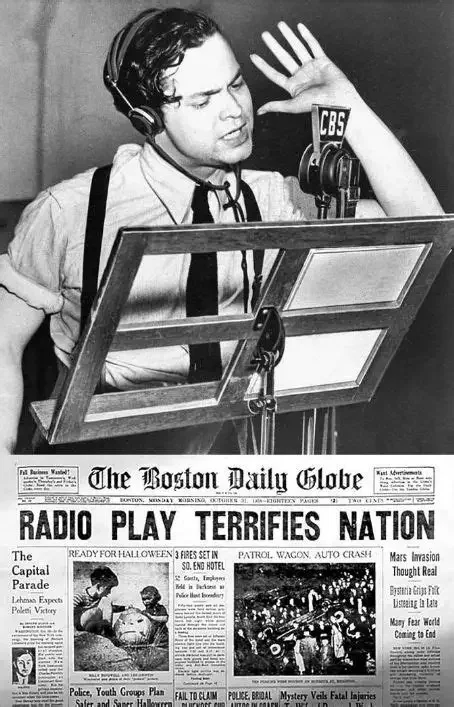
Yet the exaggeration should not erase the real point. Enough people were confused, for long enough, that the broadcast became a national conversation overnight. A whole country could hear the same voice at the same moment and feel that it was hearing the same event. When that event was fictional, the shared feeling was still real, and a story told well enough, in the right form, could feel like a fact to people who had every reason to trust the box in the corner.
That night also taught a lasting lesson about form. A program that is clearly a play to one audience can be a convincing report to another audience that arrives five minutes late, and a responsible medium has to think about both audiences. The tools have changed since 1938, but the habit has not: we still trust a confident voice, fill in missing context with the most alarming explanation, and share before we check.
That is why Aircheck Radio is presenting the broadcast in full, not as a highlight. A short clip cannot show how the illusion was built, bulletin by bulletin, voice by voice. Only the complete one-hour broadcast lets you feel the design of it, and only then can you understand both its artistry and its danger.
Aircheck Radio will air the complete broadcast on Orson Welles Day, Friday, October 30, at 6 PM Eastern / 3 PM Pacific, with an encore presentation at 9 PM Eastern / 6 PM Pacific. Both airings present the program as it was heard in 1938, as a work of radio drama, and as a reminder of what radio could do at the height of its power. We invite you to listen the way 1938 listeners did, and to notice how quickly a story can start to feel true when it arrives in the voice of news.
Eighty-eight years later, the Martians never landed, but the broadcast still lands. It lands because it reminds us that media do not just report the world. They shape how we hear it, how we trust it, and how we respond when a voice we believe tells us that everything has changed. That is a lesson worth hearing again, in full, on the anniversary of the night radio became real.night radio became real.

About the writer
Debbie Musgrave
Debbie Musgrave
Keep reading